

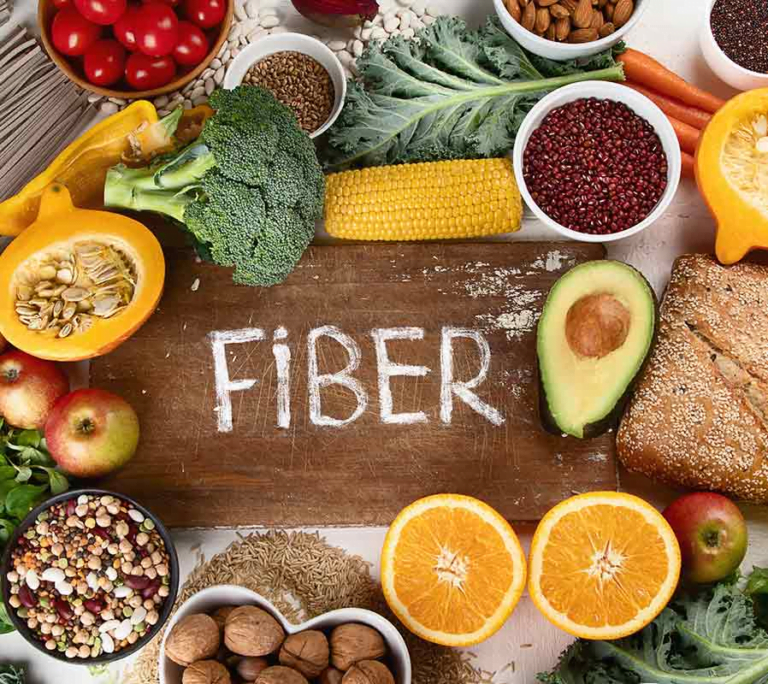
Introduction
Dietary fiber is a remarkably underrated component of our diet. Often overshadowed by discussions about macronutrients like carbohydrates, proteins, and fats, dietary fiber is a nutritional powerhouse that offers a myriad of health benefits.
Dietary fiber, also known simply as fiber, is a complex carbohydrate found in plant-based foods.
Unlike other carbohydrates, fiber is not digested or absorbed in the small intestine.
Instead, it travels intact through the digestive system, providing unique health benefits along the way.
Types of Dietary Fiber
There are two primary types of dietary fiber:
- Soluble Fiber: Dissolves in water and forms a gel-like substance in the digestive tract. Sources include oats, legumes, fruits, and vegetables.
- Insoluble Fiber: Does not dissolve in water and adds bulk to the stool, aiding in regular bowel movements. Sources include whole grains, nuts, and the skins of fruits and vegetables.
The Health Benefits of Dietary Fiber
Digestive Health
- Regular Bowel Movements: Insoluble fiber adds bulk to stool, preventing constipation and promoting regular bowel movements.
- Gut Microbiome: Soluble fiber acts as prebiotics, nourishing beneficial gut bacteria, which contribute to overall digestive health.
Heart Health
- Lower Cholesterol: Soluble fiber can reduce LDL (bad) cholesterol levels, lowering the risk of heart disease.
- Blood Pressure: Some studies suggest that a high-fiber diet may help lower blood pressure.
Weight Management
- Appetite Control: High-fiber foods are often more filling, which can aid in controlling appetite and reducing overall calorie intake.
- Weight Loss: A fiber-rich diet may assist in weight management by promoting feelings of fullness.
Blood Sugar Control
- Steady Blood Sugar: Soluble fiber can help stabilize blood sugar levels, benefiting individuals with diabetes.
Colon Health
- Reduced Risk of Colon Cancer: Adequate fiber intake is associated with a lower risk of developing colorectal cancer.
Sources of Dietary Fiber
Fruits and Vegetables
- Berries: Blueberries, strawberries, and raspberries are packed with fiber.
- Leafy Greens: Spinach, kale, and Swiss chard are excellent sources.
- Root Vegetables: Carrots, sweet potatoes, and beets offer substantial fiber content.
Whole Grains
- Oats: Oatmeal and oat bran are high in soluble fiber.
- Brown Rice: Opt for brown rice over white for more fiber.
- Whole Wheat: Choose whole wheat bread, pasta, and cereals.
Legumes
- Beans: Kidney beans, black beans, and lentils are fiber-rich legumes.
Nuts and Seeds
- Almonds: Almonds are a great source of fiber and healthy fats.
- Chia Seeds: These tiny seeds are packed with fiber and Omega-3 fatty acids.
Practical Tips for Increasing Dietary Fiber
- Gradual Changes: Increase fiber intake slowly to allow your digestive system to adapt.
- Hydration: Drink plenty of water, especially when increasing fiber intake, to prevent bloating and discomfort.
- Varied Diet: Include a variety of fiber-rich foods in your diet to reap the benefits of different types of fiber.
- Read Labels: Check food labels for fiber content and opt for products with higher fiber.
- Home Cooking: Cooking at home allows you to incorporate fiber-rich ingredients into your meals.
Conclusion
Dietary fiber is an unsung hero in the world of nutrition, offering a multitude of health benefits that extend far beyond digestive health.
By understanding its importance, recognizing its sources, and making conscious choices to incorporate it into your diet, you can harness the power of dietary fiber to enhance your overall health and well-being.
So, make it a point to celebrate fiber-rich foods and make them a staple in your daily diet for a healthier, happier you.
Was this article helpful?

Super-specialist GI, bariatric & cancer surgeon. SGPGIMS (India's premier GI centre) + advanced training in Japan & South Korea. Read full profile →
Last reviewed: July 2026






Comments
Be the first to share your thoughts on this article.